
Delicious Low-Carb, High-Protein Recipes for Maximum Energy and Strength
2/28/20264 min read
Understanding Low-Carb Diets
Low-carb diets have gained significant popularity in recent years due to their potential benefits for energy levels and strength. At their core, these diets focus on minimizing carbohydrate intake while emphasizing protein and healthy fats. The principles behind a low-carb diet are rooted in the idea that lowering carbohydrates can lead to improved metabolic efficiency. This is achieved through various diet types, including the ketogenic diet, Atkins diet, and other similar regimes that prioritize macronutrient balance.
The ketogenic diet, for instance, encourages the body to enter a state of ketosis, where it predominantly burns fat for energy instead of carbohydrates. This shift can result in substantial fat loss and improved energy levels. Similarly, the Atkins diet presents a phased approach to carbohydrate consumption, gradually increasing the intake based on the individual's metabolic response. Both diets highlight the importance of focusing on quality sources of protein, which play a crucial role in muscle preservation during weight loss.
One of the key benefits of low-carb diets is their ability to promote weight loss while preserving lean muscle mass. This is achieved by maintaining higher protein levels, which can lead to reduced appetite and improved satiety. Moreover, protein is vital for muscle recovery and overall strength, making it an essential component for those engaging in regular physical activity. However, misconceptions surrounding low-carb diets often arise, including the belief that they may lead to nutritional deficiencies or a lack of energy. In reality, when planned correctly, these diets can provide adequate nourishment and sustained energy levels.
In conclusion, understanding low-carb diets involves recognizing their various forms and the underlying principles that support energy and strength enhancement. By reducing carbohydrate intake and increasing protein consumption, individuals can experience notable improvements in their metabolic efficiency and overall health outcomes.
The Role of High-Protein Foods in Energy and Strength
High-protein foods play a crucial role in enhancing energy levels and building strength, particularly in the context of a low-carb diet. Protein is vital for muscle recovery and growth since it provides the necessary building blocks, known as amino acids, that muscles require after strenuous activities. When one engages in regular physical fitness practices, the body needs protein to repair micro-tears in the muscle fibers, allowing for increased strength and functional performance over time.
Moreover, high-protein diets have been shown to aid in achieving satiety, which is particularly beneficial for those aiming to manage their weight. By consuming protein-rich foods, individuals often experience a more prolonged sensation of fullness, which can help mitigate the likelihood of snacking on high-carb foods that may disrupt one’s dietary goals. This satiety can be especially advantageous for maintaining a balanced low-carb lifestyle, as it encourages better food choices and portion control.
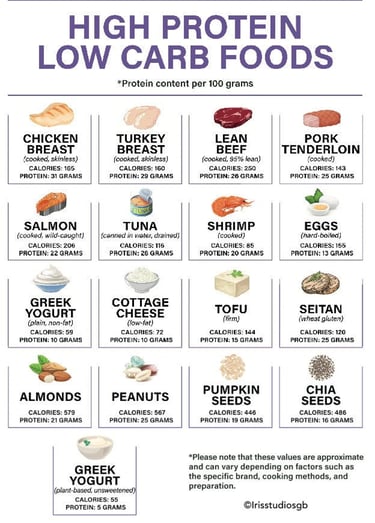
In the pursuit of fat loss, protein proves to be an invaluable ally. A higher protein intake can enhance metabolism by requiring more energy for digestion and absorption, thus promoting an increase in caloric burn. Even while pursuing fat loss, focusing on protein consumption can safeguard lean muscle mass, which is essential for sustaining an improved metabolic rate. Adopting a diet that emphasizes quality protein sources, such as lean meats, turkey, fish, eggs, and plant-based proteins like legumes and tofu, is paramount. These food items can effectively support muscle maintenance and overall health while being incorporated into daily meals and snacks.
In conclusion, the integration of high-protein foods within a low-carb framework is beneficial for energy enhancement, muscle repair, and weight management, making it a foundational component of a healthy lifestyle.
Tasty Low-Carb, High-Protein Recipes
In the pursuit of a healthy lifestyle, low-carb, high-protein recipes are an excellent choice for those looking to boost energy levels and build strength. Here, we present a selection of easy-to-make recipes that are both nutritious and delightful, ensuring that dietary goals are achieved without sacrificing taste.
1. Breakfast Smoothie
Ingredients: 1 cup unsweetened almond milk, 1 scoop protein powder, 1 cup spinach, ½ avocado, and ice cubes.
Nutritional Information: Approximately 300 calories, 20g protein, 15g carbs.
Instructions: Blend the almond milk, protein powder, spinach, avocado, and ice until smooth. Enjoy a refreshing start to your day!
2. Protein-Packed Salad
Ingredients: 2 cups mixed greens, ½ cup cherry tomatoes, 1 cup grilled chicken (sliced), ¼ cup feta cheese, and balsamic vinaigrette.
Nutritional Information: Around 450 calories, 35g protein, 10g carbs.
Instructions: Toss greens, tomatoes, chicken, and feta together. Drizzle vinaigrette before serving for a satisfying meal.
3. Savory Egg Muffins
Ingredients: 6 eggs, 1 cup diced bell peppers, ½ cup shredded cheese, and salt/pepper to taste.
Nutritional Information: Approximately 250 calories, 20g protein, 5g carbs.
Instructions: Preheat the oven to 350°F (175°C). Whisk eggs, mix in peppers, and cheese. Pour into muffin tins and bake for 20 minutes.
4. Healthy Snack Option: Greek Yogurt with Nuts
Ingredients: 1 cup Greek yogurt, 2 tbsp mixed nuts, and a sprinkle of cinnamon.
Nutritional Information: About 200 calories, 20g protein, 10g carbs.
Instructions: Mix the yogurt with nuts and cinnamon for a quick and nutritious snack.
These recipes not only provide a wealth of flavors but also align perfectly with low-carb, high-protein dietary guidelines. They offer variety, ease of preparation, and the potential to maintain energy throughout the day, empowering readers to embrace a healthier lifestyle.
Tips for Sticking to a Low-Carb, High-Protein Diet
Maintaining a low-carb, high-protein diet requires careful planning and mindful eating strategies. Here are several practical tips to help you stay on track while achieving your health and fitness goals.
Meal planning is a crucial step in a successful low-carb, high-protein approach. Dedicate some time at the beginning of each week to prepare meals in advance. Look for recipes that include lean proteins, such as chicken, fish, and legumes, while limiting high-carb ingredients. Consider preparing larger quantities so you can have leftovers for quick meals throughout the week. This not only saves time but also keeps you from making impulsive decisions that may stray from your dietary goals.
When grocery shopping, learning how to read food labels is essential. Pay attention to the carbohydrate and protein content of products, and opt for items that are high in protein but low in carbohydrates. Be cautious of hidden sugars which can significantly increase carbohydrate intake. Familiarize yourself with terms such as 'sugar-free' and 'low-carb' to make informed decisions. This knowledge not only enhances your cooking but supports your commitment to a healthy diet.
Cravings are a common hurdle in any dietary plan. To manage these, try incorporating healthy snacks that align with your low-carb, high-protein lifestyle, such as nuts, yogurt, or cheese. If dining out, choose restaurants that offer a variety of protein-rich, low-carb options. Don't hesitate to ask for modifications to your meals, such as substituting bread with vegetables.
Lastly, maintaining motivation is key to long-term adherence to a low-carb, high-protein diet. Keep track of your progress and celebrate small victories along the way. Engaging with online communities and sharing your journey with others can provide encouragement and support. By implementing these strategies, you increase your chances of successfully sticking to your low-carb, high-protein diet while maximizing your energy and strength.