
Top Recovery Tools to Alleviate Tension and Enhance Healing: Your Ultimate Guide
3/2/20268 min read
Introduction to Recovery Tools
In today's fast-paced world, the importance of recovery tools cannot be overlooked. These tools have emerged as essential aids in promoting both physical and mental well-being. Understanding the significance of recovery tools is key not only for athletes but for anyone looking to improve their overall health. Recovery tools are designed to alleviate tension and accelerate the healing process, targeting sore muscles, enhancing mobility, and ultimately supporting performance.
The physical benefits of recovery tools range from reducing muscle soreness to improving circulation. For instance, items such as foam rollers and massage guns apply targeted pressure to specific areas, breaking down muscle knots and enhancing blood flow. This not only promotes recovery from workouts but also helps in preventing potential injuries. From therapeutic massagers to heat therapy devices, each tool serves a unique purpose in developing a well-rounded recovery regimen.
On the mental side, the usage of recovery tools contributes significantly to stress relief. Tools such as tension release balls or guided breathing apparatuses assist in calming the mind and allowing for a deeper degree of relaxation. Such mental clarity is crucial, as it aids in enhancing focus and performance in both professional and personal spheres. By incorporating recovery tools into daily routines, individuals can foster a balance that supports both the mind and body.
This guide aims to provide a comprehensive overview of various recovery tools available on the market, exploring their uses, benefits, and how they can be integrated effectively into routines. As we delve deeper, this blog will furnish you with insights that not only inform but inspire action towards better recovery strategies. By doing so, we hope to empower readers to make informed selections tailored to their personal needs.
Massage Tools: Releasing Tight Muscles
Massage tools have gained popularity among individuals seeking relief from muscle tightness and discomfort. Among the most commonly used tools are foam rollers, massage balls, and handheld massagers, each offering unique benefits to help alleviate tension and enhance recovery. By integrating these tools into a regular wellness routine, users can significantly improve their overall physical health.
Foam rollers are widely recognized for their ability to release tight muscles and fascia through a technique known as self-myofascial release. When rolled over with body weight, these cylindrical tools apply pressure to the muscles and connective tissue, effectively breaking up adhesions and increasing blood flow. This process not only aids in muscle recovery post-workout but also maintains flexibility and promotes mobility, making foam rollers essential for athletes and fitness enthusiasts alike.
Massage balls serve a similar purpose but offer targeted relief to specific muscle groups. Their smaller size allows users to focus on areas that may be harder to reach with larger tools, such as the glutes, shoulders, and feet. By employing techniques such as rolling or applying steady pressure, users can alleviate knots and reduce tension in localized areas. Overall, massage balls are particularly effective for those who experience chronic pain or tightness in specific muscle regions.
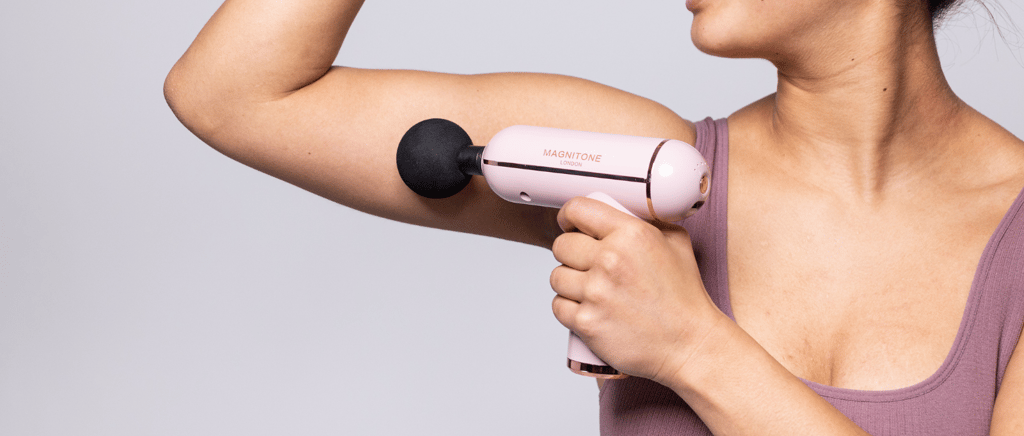
Handheld massagers, which come in various designs and functionalities, offer a versatile solution for muscle relief. These tools often provide different speed settings and massage patterns, catering to individual preferences. Whether used on the back, neck, or legs, handheld massagers can enhance relaxation and expedite recovery times by promoting blood circulation and reducing muscle stiffness. In addition, their convenience allows for use almost anywhere, bringing the benefits of professional massage therapy right into the comfort of one's home.
Stretching Gear: Enhancing Flexibility and Mobility
Stretching gear such as resistance bands and yoga straps plays a significant role in enhancing flexibility and mobility, promoting a more effective recovery process. These tools are not only designed to assist in achieving a greater range of motion but also facilitate specific stretches that can aid in injury prevention. By incorporating stretching equipment into a regular fitness regimen, individuals can improve their overall physical performance and reduce the risk of strains or pulls during high-intensity activities.
Resistance bands, in particular, offer versatile training options. Their elasticity can be utilized for various stretching exercises that target major muscle groups, allowing users to perform controlled movements. Besides improving flexibility, these bands can also contribute to strength training, as they provide varying resistance levels suitable for different fitness stages. Consequently, the inclusion of resistance bands in a workout routine can significantly support recovery efforts by enabling gradual and safe progressions.
Yoga straps, on the other hand, are specialized tools designed primarily to enhance flexibility and ensure proper form during various yoga poses. They serve as an excellent aid for individuals who may struggle with flexibility or have limited range of motion. By using yoga straps, practitioners can extend their reach during stretches, enabling deeper and more effective elongation of muscles. This not only aids in relaxation but also contributes to the overall well-being of the body during recovery periods.
In summary, stretching gear such as resistance bands and yoga straps are invaluable in enhancing flexibility and mobility. Their ability to aid in stretching routines makes them essential tools for preventing injuries and promoting better movement patterns. Incorporating these items into recovery practices can significantly bolster overall physical performance, making them indispensable for anyone looking to improve their fitness and healing outcomes.
Heat Therapy: Soothing Aches and Pains
Heat therapy has been recognized as an effective method for alleviating discomfort and promoting recovery in various musculoskeletal conditions. The application of heat through tools such as heating pads, hot water bottles, and electric blankets helps to provide relief from aches and pains. When heat is applied to affected areas, it leads to the dilation of blood vessels, which improves circulation and enables enhanced delivery of oxygen and nutrients to the injured tissues.
Moreover, the warmth created by heat therapy has a direct impact on muscle relaxation. It penetrates deep into the muscle layers, allowing for a reduction in stiffness and an increase in flexibility. This is particularly beneficial for individuals experiencing chronic pain, strains, or stiffness due to prolonged inactivity or injury. The soothing effects of heat can also alleviate discomfort in conditions such as arthritis, where joint inflammation often leads to pain and reduced mobility.
Heating pads are one of the most accessible heat therapy tools, available in both electric and microwaveable forms. They can be easily applied to specific areas, whether it be the lower back, shoulders, or legs, providing localized relief. Hot water bottles are another time-honored option; they can be filled with hot water and used to deliver gentle warmth where it is needed most. Electric blankets, while typically used for overall warmth, can also play a role in providing therapeutic heat throughout the night, aiding in recovery as one sleeps.
In summary, heat therapy tools offer significant benefits for individuals seeking to soothe muscle tension and facilitate the healing process. By incorporating these tools into a regular recovery routine, one can experience improved comfort and enhanced restoration of well-being.
Cold Therapy: Reducing Inflammation and Swelling
Cold therapy, also known as cryotherapy, employs low temperatures to treat injuries and enhance recovery. This method has gained popularity among athletes and rehabilitative specialists due to its effectiveness in reducing inflammation and swelling, especially following intense physical activity or injury.
One of the most commonly used cold therapy tools is the ice pack. Ice packs can be applied directly to the affected area, providing targeted cooling that helps constrict blood vessels, limiting blood flow and, consequently, the amount of swelling. These packs are convenient and can be used at home or on the go, making them an invaluable resource for immediate post-injury treatment.
In addition to traditional ice packs, gel packs have emerged as a versatile alternative. These packs can be frozen or heated, providing either cold or warmth depending on the recovery needs. Their flexible nature allows them to conform to various body shapes, making them particularly effective for treating joint injuries.
Cryotherapy devices, which operate through controlled exposure to cold air or liquid nitrogen, are another advanced option. These devices can deliver a more intense cooling effect and are often used in professional sports settings. By lowering the skin temperature, cryotherapy works to numb pain effectively, allowing for greater mobility during recovery sessions.
The benefits of cold therapy extend beyond reducing swelling; it can also help alleviate pain, making it easier to participate in rehabilitation exercises. By promoting faster recovery, these tools not only assist in acute injury management but also contribute to overall performance enhancement. Utilizing cold therapy tools as part of a comprehensive recovery plan can facilitate quicker restoration to pre-injury conditions, ultimately improving athletic performance and well-being.
Compression Gear: Enhancing Circulation and Recovery Speed
Compression gear has gained significant attention among athletes and fitness enthusiasts as an effective tool for enhancing circulation and expediting recovery processes. These garments, which include compression sleeves, socks, and recovery leggings, apply targeted pressure to specific muscle groups. This pressure plays a crucial role in improving blood flow, thereby delivering essential nutrients and oxygen more efficiently to the muscles.
One of the primary benefits of using compression garments is their ability to reduce muscle soreness post-exercise. By accelerating the removal of metabolic waste products, such as lactic acid, from the muscles, these tools can help minimize the feelings of fatigue and discomfort often experienced after intense physical activity. The continuous support offered by compression gear also aids in stabilizing muscles, potentially preventing injuries during workouts.
Moreover, numerous studies have highlighted the efficacy of compression gear in post-exercise recovery routines. Athletes who incorporate these garments into their recovery practices report not only a reduction in soreness but also an enhanced sense of overall well-being. For instance, wearing compression socks after long-distance running has been shown to improve recovery times and promote a quicker return to baseline performance levels.
It is important to note, however, that the effectiveness of compression gear can vary based on individual preferences and body types. Choosing the right fit and compression level is essential to maximizing the benefits. Additionally, while compression garments are an excellent adjunct to an effective recovery strategy, they should not be viewed as a sole solution. Adequate hydration, balanced nutrition, and rest remain fundamental components in overall recovery. Incorporating compression gear into your post-exercise routine could be a step towards achieving optimized recovery and improved performance.
Holistic Recovery Options: Mindfulness and Breathwork Tools
In the pursuit of comprehensive recovery, it is crucial to acknowledge the mental aspect alongside the physical. Mindfulness and breathwork tools serve as effective mechanisms to alleviate tension while promoting healing and enhancing overall well-being. Integrating these practices into a recovery routine can help counteract stress and foster a balanced state of mind.
Meditation applications have gained popularity due to their accessibility and variety. Apps such as Headspace and Calm offer guided sessions that cater to various experience levels, making it easier for beginners to develop a regular meditation practice. These tools not only provide individuals with techniques to focus their thoughts but also to cultivate a sense of peace. Regular meditation can result in reduced anxiety and improved cognitive function, both of which contribute significantly to recovery.
Mindfulness journals offer another beneficial approach, allowing individuals to document their thoughts and feelings. This practice encourages reflection and self-awareness, which are essential for mental recovery. By identifying and expressing emotions, individuals can promote a healthier mindset that supports their physical recovery journey. Writing about experiences also fosters gratitude and positive thinking, which can significantly enhance overall health.
Additionally, incorporating breathwork exercises into daily routines has profound benefits. Techniques such as diaphragmatic breathing, box breathing, or the 4-7-8 technique enable individuals to tap into their breath as a means to calm the nervous system and reduce stress levels. Breathwork, when practiced consistently, can greatly improve emotional regulation and resilience, further supporting the healing process.
Ultimately, embracing mindfulness and breathwork tools not only aids in mental recovery but also complements the physical aspects of healing. By fostering a holistic approach, individuals can experience a more profound sense of well-being, ensuring a more comprehensive recovery.