
The Longevity Plate: How to Build Meals for a Longer, Stronger Life
3/8/20268 min read
Introduction to the Longevity Plate
The Longevity Plate is an innovative concept aimed at guiding individuals towards healthier eating habits that promote a longer and stronger life. This idea is rooted in extensive research that highlights the substantial impact of nutrition on overall health and longevity. By adopting a balanced and nutrient-dense approach to meals, individuals can enhance their well-being and potentially extend their lifespan.
Nutrition plays a pivotal role in achieving longevity, as it provides the essential building blocks for bodily functions. The foods we consume not only affect our physical health but also influence our mental well-being and vitality. As we age, our nutritional needs evolve, making it crucial to focus on foods that are rich in vitamins, minerals, and antioxidants. This emphasis on nutrient-rich foods not only helps in maintaining optimal health but also reduces the risk of chronic diseases such as heart disease, diabetes, and cancer.
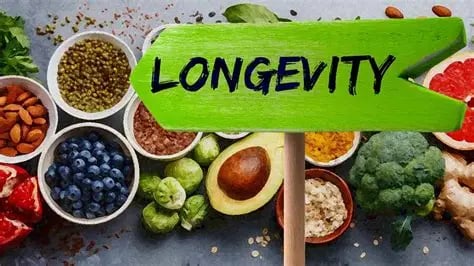
The Longevity Plate serves as a practical model to visualize how to build meals that cater to these nutritional requirements. It encourages the inclusion of a variety of colorful fruits and vegetables, whole grains, healthy fats, and lean proteins while minimizing processed foods and added sugars. This holistic approach to nutrition underscores the importance of making informed food choices that align with long-term health goals.
This blog aims to be a trusted resource for individuals seeking science-backed nutritional advice. By exploring the principles of the Longevity Plate, readers can gain insights into making healthier dietary choices that contribute not only to longevity but also to a higher quality of life. Ultimately, the pursuit of a longer, stronger life begins with understanding and improving our eating habits.
Core Principles of Eating for Health and Longevity
The foundation of a longevity-focused diet lies in understanding the core principles that guide our eating habits. The balance of macronutrients—proteins, fats, and carbohydrates—plays a critical role in promoting optimal health. It is essential to consume a diet rich in high-quality proteins, healthy fats, and complex carbohydrates. Proteins are vital for muscle repair and growth, especially as one ages, while healthy fats, particularly omega-3 fatty acids, support brain health and reduce inflammation. Integrating whole grains, fruits, and vegetables as sources of complex carbohydrates ensures steady energy levels, providing the essential fuel needed for daily activities.
A significant component of a longevity diet is the emphasis on whole foods. Whole foods are minimally processed and retain their natural nutrients, offering a plethora of vitamins, minerals, and antioxidants. Consuming a wide variety of whole foods not only provides the body with the necessary macronutrients but also delivers an abundance of micronutrients, which are often overlooked. Micronutrients, including vitamins A, C, D, and minerals such as calcium and magnesium, are crucial for maintaining immune function, promoting bone health, and supporting overall bodily functions.
Incorporating these principles into daily meals can have profound implications for long-term health and fitness. A diet plentiful in whole foods, rich in balanced macronutrients, and filled with essential micronutrients is linked to lower risks of chronic diseases, improved mental health, and enhanced longevity. By focusing on nourishing the body through mindful eating and selecting nutrient-dense foods, individuals can pave the way for a healthier, more vibrant life. Embracing these core principles offers a pathway not only to a longer life but also to a life filled with strength and vitality.
Understanding Macronutrient Balance
Macronutrient balance is crucial for maintaining optimal health and achieving specific fitness goals. The three primary macronutrients—proteins, fats, and carbohydrates—serve distinct and vital functions within the body. Understanding the role each macronutrient plays aids in creating meals that contribute to a longer and stronger life.
Proteins are often regarded as the building blocks of life. They play a significant role in muscle repair and growth, as well as in the production of enzymes and hormones. Adequate protein intake ensures that the body can carry out essential functions and recover efficiently from physical activity. For those seeking to build muscle or improve recovery after workouts, aiming for a daily protein intake of approximately 1.2 to 2.0 grams per kilogram of body weight is recommended.
Fats, though frequently misunderstood, are equally important. They provide a dense source of energy and are critical in absorbing fat-soluble vitamins (A, D, E, and K). Healthy fats, such as those found in avocados, nuts, and olive oil, are essential for cardiovascular health and hormone regulation. It is advisable to consume fats in moderation while emphasizing those that offer health benefits. Aiming for fats to make up about 20-35% of total daily calories fosters a balanced diet.
Carbohydrates are the primary energy source for the body and brain. Complex carbohydrates, such as whole grains, fruits, and vegetables, should be prioritized over simple sugars for sustained energy levels and overall health. For individuals engaging in enduring physical activities, carbohydrates should comprise about 45-65% of total calorie intake, ensuring proper energy supply during both exercise and daily tasks.
To achieve a well-balanced meal, individuals should strive to include a source of protein, healthy fats, and complex carbohydrates in each meal. This synergy not only maintains steady energy levels but also supports muscle function and overall health, paving the way for longevity.
Incorporating Anti-inflammatory and Antioxidant-rich Foods
Integrating anti-inflammatory and antioxidant-rich foods into daily meals is essential for promoting health and longevity. Chronic inflammation has been linked to various diseases, including heart disease, diabetes, and certain cancers. Foods that are rich in antioxidants help combat oxidative stress, which can damage cells and contribute to the aging process. By focusing on these nutrient-dense foods, individuals can enhance their overall well-being and reduce the risk of age-related diseases.
Foods considered anti-inflammatory include fatty fish such as salmon and mackerel, which are high in omega-3 fatty acids. Other beneficial options are leafy greens like spinach and kale, nuts such as walnuts and almonds, and berries like blueberries and strawberries. These foods work by inhibiting the production of inflammatory markers and promoting optimal cellular function. Furthermore, spices like turmeric and ginger possess potent anti-inflammatory properties that can easily be included in various dishes.
Moreover, antioxidant-rich foods, including a variety of fruits and vegetables, play a significant role in protecting the body from damage caused by free radicals. Deeply colored fruits and vegetables, such as carrots, beets, and cherries, are excellent choices due to their high levels of vitamins C and E, along with polyphenols and flavonoids. Incorporating these ingredients into meals can be simple; for instance, adding spinach and berries to smoothies, using turmeric in soups or stews, or creating mixed salads with a variety of colorful vegetables.
To maximize the benefits, it is recommended to consume a diverse range of these foods throughout the week, allowing for a well-rounded, nutrient-rich diet. As a result, meals prepared with these anti-inflammatory and antioxidant-rich foods not only bolster immune health but also contribute to a longer, healthier life.
Portion Control: Eating the Right Amount
Portion control plays a crucial role in maintaining energy levels and effectively managing weight. Understanding the appropriate amount of food to consume not only supports physical health but also enhances overall well-being. Individuals who practice portion control can prevent overeating, which is often a precursor to weight gain and associated health issues.
To gauge appropriate portion sizes, one can adopt several strategies. Utilizing smaller plates and bowls can create the illusion of a fuller serving, while allowing the brain to register satiety more effectively. Measuring out portions using standard servings as a guide can also help establish a visual reference for what constitutes an adequate meal size. Additionally, it is beneficial to familiarize oneself with serving sizes of various food items, as found on nutrition labels, to establish a more intuitive understanding of portion control.
Listening to hunger cues is equally vital in the journey towards proper portion management. Individuals should strive to differentiate between physical hunger and emotional eating triggers. It is essential to eat when genuinely hungry and stop when satisfied, not necessarily when the plate is empty. Recognizing these signals can greatly improve the relationship with food and minimize the risk of consuming excess calories.
Furthermore, portion control aids in recovery and overall health. When the body receives the adequate nutrition it requires without excess, it can focus on healing and regeneration. This approach ensures that individuals are consuming a balanced diet that incorporates all macronutrients while remaining within healthy caloric limits. Consequently, the practice of mindful eating and portion control can lead to sustained energy levels, improved mood, and a heightened sense of vitality—overall fostering a longer and stronger life.
Meal Timing for Energy and Recovery
The timing of meals is a critical factor in maximizing energy levels and facilitating recovery, particularly for individuals engaged in regular physical activity. Proper consideration of meal timing can vastly influence performance and overall wellness.
Studies suggest that consuming a meal rich in carbohydrates and protein about 2 to 3 hours before a workout can significantly enhance energy reserves and stamina. Carbohydrates serve as a primary fuel source during exercise, while protein aids in muscle repair and growth. For those who are short on time, a small snack containing these macronutrients approximately 30 to 60 minutes prior to physical activity can also be beneficial in providing a quick energy boost.
Post-exercise nutrition is equally important, as it plays a crucial role in recovery. Consuming a combination of carbohydrates and proteins within 30 minutes after exercise can promote glycogen replenishment and muscle recovery. This so-called "anabolic window" is an ideal opportunity to refuel the body and repair any exercise-induced damage. A well-balanced post-workout meal can enhance muscle recovery while also reducing soreness.
In addition to timing meals around exercise, maintaining regular meal schedules throughout the day can support sustained energy levels. It is recommended to eat every 3 to 4 hours, ensuring that the body receives consistent nutrients to avoid energy dips. This practice not only supports metabolism but also helps in regulating blood sugar levels, leading to improved mood and cognitive function.
In conclusion, the strategic timing of meals and snacks can greatly influence both energy levels and recovery after physical activity. By understanding the optimal meal schedules in relation to workouts, individuals can enhance their performance and overall health outcomes, confirming the pivotal role of meal timing in the journey towards a longer and stronger life.
Delicious Recipes for Longevity
Embracing a diet that supports longevity involves incorporating a variety of wholesome ingredients that provide necessary nutrients, promote health, and enhance overall well-being. Below are some delightful recipes specially curated to align with the principles of longevity, ensuring a balance of macronutrients while featuring anti-inflammatory and antioxidant-rich ingredients.
1. Quinoa & Vegetable Salad
Ingredients: 1 cup quinoa, 2 cups water, 1 cup diced bell peppers, 1 cup diced cucumber, 1 cup cherry tomatoes, 1/4 cup olive oil, juice of 1 lemon, salt, and pepper to taste.
Preparation: Rinse quinoa under cold water, then cook it in 2 cups of water until fluffy. In a large bowl, combine chopped vegetables. Mix olive oil, lemon juice, salt, and pepper in a separate bowl to create a dressing. Toss the quinoa with the vegetable mix and dressing before serving.
The quinoa provides a complete protein source, while the colorful vegetables offer vital antioxidants, ideal for addressing inflammation.
2. Spicy Lentil Soup
Ingredients: 1 cup lentils, 4 cups vegetable broth, 1 medium onion, 2 cloves garlic, 2 carrots, 2 celery stalks, 1 can diced tomatoes, 1 teaspoon cumin, 1 teaspoon chili powder, salt, and pepper.
Preparation: Sauté chopped onion, garlic, carrots, and celery until softened. Add lentils, broth, diced tomatoes, and spices; let simmer for at least 30 minutes. Add salt and pepper to taste before serving.
Lentils are rich in fiber and protein, contributing to a balanced meal that keeps you satiated and healthy.
3. Grilled Salmon with Asparagus
Ingredients: 2 salmon fillets, 1 bunch asparagus, 2 tablespoons olive oil, salt, pepper, and lemon slicers.
Preparation: Preheat grill. Toss asparagus with olive oil, salt, and pepper. Grill salmon and asparagus for 6-8 minutes, flipping halfway. Serve with fresh lemon slices.
Salmon is an excellent source of omega-3 fatty acids, essential for heart health, while asparagus provides a host of vitamins and minerals.
These recipes not only taste great but also enhance your diet by showcasing ingredients that lend themselves to a longer, healthier life. Combining these meals with whole grains, fruits, and healthy fats can further amplify their health benefits, making them ideal for anyone aiming to improve their dietary habits for longevity.