
Achieving Balance and Fitness Through Mind-Body Movement
Introduction to Mind-Body Movement
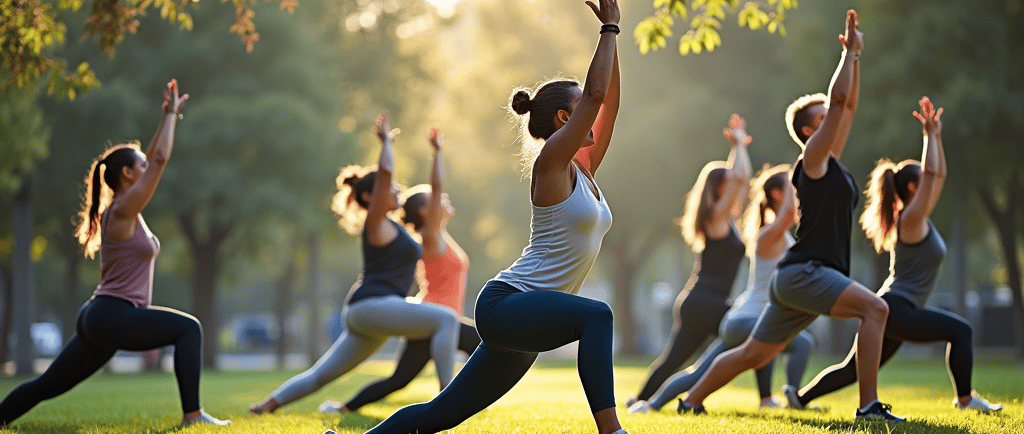
Mind-body movement refers to practices that connect the mental, emotional, and physical aspects of a person. This approach emphasizes the importance of a harmonious relationship between the mind and body, which can significantly enhance both physical fitness and mental well-being. Activities such as yoga, tai chi, and Pilates exemplify the core principles of mind-body movement, as they incorporate physical movement paired with breath control, awareness, and meditation.
The philosophy behind mind-body movement revolves around the understanding that physical actions are intertwined with mental states. This perspective posits that by fostering mindfulness during physical exercise, individuals can achieve greater self-awareness, emotional regulation, and overall balance. Consequently, this integrated approach not only paves the way for improved physical fitness but also contributes to emotional resilience and mental clarity.
Engaging in mind-body movement allows participants to cultivate a deeper awareness of their bodies. By concentrating on the sensations tied to movement, individuals can better understand their physical limitations and strengths. This practice encourages a gradual yet steady journey towards achieving fitness goals without the risk of injury, as it promotes a respect for one’s own bodily signals and needs.
Moreover, mind-body movement is instrumental in reducing stress and anxiety levels. Studies have shown that practices emphasizing mindfulness can lead to lower heart rates and blood pressure, which are indicators of a balanced and healthy mind and body. As one engages more deliberately in their movements, the cognitive focus shifts from external distractions to internal states, promoting a profound sense of well-being and coherence.
The Importance of Balance in Life
Balance is a fundamental aspect of our existence, influencing both our physical and mental well-being. In every facet of life, from our daily routines to our professional environments, achieving balance can lead to increased productivity, better health, and enhanced emotional stability. Physical balance is not only crucial for performing everyday tasks but also for preventing injuries and maintaining a healthy lifestyle. Engaging in activities that promote physical equilibrium, such as yoga or tai chi, can significantly enhance one’s body awareness and coordination.
On the mental front, maintaining psychological balance is equally vital. Our emotional state can often be swayed by various stressors, making it necessary to cultivate practices that foster mental clarity and peace. Mind-body movement practices are particularly effective in this regard, as they provide holistic approaches to building resilience and focus. Techniques such as mindfulness meditation or breathwork enable individuals to center themselves, reducing feelings of anxiety and enhancing overall emotional health.
Furthermore, the consequences of imbalance can be quite severe, manifesting in various forms, such as fatigue, stress-related disorders, and a decline in overall quality of life. The lack of balance between personal and professional commitments often leads to burnout, a situation that can significantly impair both performance and well-being. By incorporating mind-body practices into our lives, we can better navigate the complexities of our responsibilities, ensuring that we remain grounded amidst the chaos. Ultimately, attaining balance through mind-body movement allows us to improve our physical health while also nurturing our mental state, creating a harmonious life where we can thrive.
Benefits of Mind-Body Movement Practices
Mind-body movement practices encompass a range of disciplines that integrate physical performance with mental and emotional awareness. These practices, including yoga, Pilates, and breathwork, contribute significantly to overall well-being, presenting varied benefits that enhance both physical fitness and mental health.
One of the primary advantages of mind-body exercises is improved physical fitness. These practices involve intentional movements that strengthen muscles, enhance flexibility, and increase endurance. Unlike traditional workouts that may focus chiefly on physical prowess, mind-body techniques emphasize the connection between mind and body, allowing for a more comprehensive form of strength training. Improvements in posture, balance, and coordination often accompany these physical advancements, contributing to better overall movement efficiency.
Cognitive clarity is another essential benefit derived from mind-body practices. Engaging in these activities encourages mindfulness, which fosters a deeper awareness of the present moment. This heightened sense of focus can lead to improved concentration, mental clarity, and enhanced cognitive function, reducing mental fatigue and promoting better decision-making skills.
Moreover, mind-body movement serves as an effective tool for stress reduction. These practices often incorporate breathing techniques and relaxation exercises that help to alleviate stress and anxiety. By promoting relaxation, they facilitate release from the pressures of daily life, enabling individuals to cultivate a sense of calmness and tranquility. This emotional release is particularly vital in a fast-paced world where stressors are prevalent.
Finally, emotional resilience is built through consistent engagement with mind-body exercises. As practitioners navigate the challenges within these movements, they learn to face discomfort, overcome mental barriers, and enhance their emotional well-being. This resilience can translate into daily life, equipping individuals with tools to handle challenges with greater ease and confidence.
Incorporating mind-body movement practices into one's routine not only enriches physical health but also nurtures psychological stability, making it a holistic approach to achieving balance and fitness.
Exploring Pilates: Building Core Strength
Pilates is a form of mind-body exercise that places a strong emphasis on core strength, flexibility, and overall body alignment. Originating in the early 20th century, it was developed by Joseph Pilates as a way to enhance physical fitness while nurturing a keen mental focus. This practice encourages practitioners to engage their core muscles, which are pivotal in supporting the spine and maintaining proper posture. A strong core not only contributes to an aesthetically pleasing physique but also serves as a foundation for improved performance in various physical activities.
One of the key components of Pilates is its focus on controlled movements and breath awareness. As participants perform a series of exercises designed to target different muscle groups, they develop a heightened sense of body awareness. This cognitive connection to physicality can significantly enhance overall coordination and balance. Each movement is executed with precision, requiring concentration and mindfulness that supports both mental clarity and physical execution.
Furthermore, Pilates promotes flexibility and muscle resilience, vital for injury prevention and recovery. Unlike traditional strength training methods that may emphasize bulk and power, Pilates builds length and strength, cultivating longer, leaner muscles. Consequently, individuals often experience greater flexibility and less tension, which can enhance performance in other sports or physical activities. As postural alignment is central to the discipline, practitioners frequently see improvements in their overall alignment and body awareness over time.
In summary, through its unique combination of core strength development, flexibility enhancement, and improved body alignment, Pilates serves as an exceptional tool for achieving a well-rounded approach to fitness. Its benefits extend beyond the physical realm, offering a meditative quality that aids in stress reduction and mental fortitude. Incorporating Pilates into one’s fitness regimen can create a solid foundation for other fitness endeavors.
Yoga: A Path to Mindfulness and Flexibility
Yoga, as a holistic practice, intertwines physical movement, breathing techniques, and meditation to create a transformative experience for both the body and the mind. One of the most significant impacts of yoga is its ability to enhance mindfulness, allowing practitioners to develop a deeper awareness of their thoughts, feelings, and sensations. This increased mindfulness can lead to improved emotional balance, enabling individuals to respond to life's challenges with greater equanimity.
Different styles of yoga cater to varying fitness levels and personal needs. For instance, Hatha yoga is often recommended for beginners as it focuses on the fundamental postures and breathing exercises. Conversely, Vinyasa and Ashtanga yoga present a more vigorous form of practice, emphasizing dynamic movements and the flow of breath, thus contributing significantly to cardiovascular fitness and muscle strength. Such diverse practices ensure that yoga can be tailored to meet individual goals, whether they pertain to flexibility, strength, or overall well-being.
Postures, or asanas, play an integral role in achieving physical fitness through yoga. Each posture engages specific muscle groups, promotes balance, and encourages flexibility. Moreover, the incorporation of breath control, known as pranayama, helps cultivate calmness and concentration. Together, these elements work synergistically to not only enhance physical capabilities but also to calm the mind, ultimately fostering a state of peace and clarity.
Meditation is another foundational aspect of yoga that supports mental health. Through various mindfulness meditation techniques, practitioners learn to observe their thoughts without judgment, which can diminish anxiety and stress. The regular practice of meditation fosters an improved sense of self-awareness, facilitating a more profound connection to both body and mind. By integrating these components, yoga serves not only as a physical workout but also as a pathway toward emotional and mental wellness.
Breathwork: The Power of Conscious Breathing
Breathwork, an integral component of mind-body movement, plays a crucial role in enhancing physical performance, reducing stress, and improving mental clarity. Conscious breathing techniques are designed to help individuals harness the power of their breath, leading to a more holistic approach to fitness and well-being. By focusing on the breath, practitioners can achieve not only a deeper connection with their physical body but also a heightened state of awareness and relaxation.
Controlled breathing impacts physical performance by increasing oxygen flow to the muscles, which is essential for sustaining energy levels during workouts. Techniques such as diaphragmatic breathing allow athletes and fitness enthusiasts to optimize their lung capacity and endurance. This type of breathing facilitates greater oxygen exchange, enabling a more effective workout and quicker recovery times. Moreover, when breathing is synchronized with movement, it can enhance coordination and stability, ultimately contributing to improved athletic performance.
Additionally, breathwork is recognized for its ability to reduce stress and anxiety. Practicing techniques such as box breathing or the 4-7-8 method can stimulate the parasympathetic nervous system, promoting a state of calm and relaxation. This aspect of breathwork is particularly beneficial in today’s fast-paced lifestyle, where stress levels can become overwhelming. By incorporating breathing techniques into daily routines, individuals can cultivate a sense of peace and resilience, supporting both mental and emotional well-being.
Furthermore, breathwork enhances mental clarity, as focused breathing encourages mindfulness and presence. Techniques like alternate nostril breathing or guided visualization can sharpen concentration and foster a more serene mind. This clarity not only benefits personal growth but can also enhance productivity in work and daily responsibilities.
Integrating Mobility for Overall Fitness
Mobility exercises play a crucial role in enhancing an individual’s overall fitness by significantly improving the range of motion in joints and preventing injuries. The body’s ability to perform daily tasks and engage in physical activities is largely dependent on the flexibility and mobility of its joints. When incorporated into a fitness routine, mobility exercises can help maintain joint health and improve functional movement patterns. This is particularly important for individuals who engage in repetitive activities or sedentary lifestyles, which can contribute to stiffness and reduced flexibility over time.
Integrating mobility into mind-body practices, such as yoga or Pilates, can further enhance these benefits. These disciplines emphasize the connection between physical movement and conscious awareness, allowing individuals to not only focus on body mechanics but also cultivate a deeper understanding of their body’s limitations and capabilities. For instance, yoga poses that require gradual stretching and controlled movement can effectively enhance flexibility while promoting relaxation and mental clarity.
Moreover, mobility exercises encourage safe movement patterns that are essential for preventing injuries during more strenuous activities like running, weightlifting, or team sports. By prioritizing mobility, fitness enthusiasts can ensure that their bodies are not only strong but also agile and well-prepared for dynamic movements. Engaging in a regular mobility routine, alongside cardiovascular and strength training, creates a balanced approach to personal fitness that emphasizes well-rounded health.
In conclusion, integrating mobility exercises into a fitness regimen is essential for promoting overall wellness, enhancing physical performance, and fostering a balanced lifestyle. As individuals become more aware of their bodies and prioritize mobility, they are likely to experience improved physical capabilities that contribute to both their fitness goals and their daily lives.