
Plant Powered: Nourishing Recipes for a Wholesome Diet
2/28/20265 min read
Introduction to Plant-Based Nutrition
Plant-based nutrition emphasizes the consumption of whole foods derived primarily from plants. This includes not only fruits and vegetables but also nuts, seeds, oils, whole grains, legumes, and beans. Adopting a plant-based diet is associated with numerous health benefits that support both physical health and emotional well-being. By prioritizing whole foods, individuals can significantly enhance their nutrient intake, which is vital for maintaining optimal bodily function.
One of the most compelling aspects of plant-based nutrition is its rich supply of essential vitamins and minerals. For instance, leafy greens are excellent sources of vitamins A, C, K, and various B vitamins, while legumes and whole grains provide critical amounts of fiber, iron, and magnesium. The presence of fiber in plant foods facilitates healthy digestion, helping to prevent conditions such as constipation and promoting overall gut health. Additionally, the antioxidants found in fruits and vegetables combat oxidative stress, contributing to reduced inflammation and a lower risk of chronic diseases.
Furthermore, the incorporation of plant-based meals into daily life has been shown to have a positive impact on various body systems. A diet abundant in plant foods supports cardiovascular health, as it can lower blood pressure and cholesterol levels. The anti-inflammatory properties of many plant-based foods may also improve joint and muscle health, thus enhancing physical performance and recovery. Beyond the physical benefits, studies indicate that plant-based eating can positively influence mental well-being, helping to reduce feelings of anxiety and depression.
In summary, embracing a plant-powered lifestyle fosters an enriched quality of life. By integrating more plant-based foods into one's diet, individuals can build a strong foundation for physical health and emotional stability, ultimately leading to a more vibrant, energetic existence.
Wholesome Ingredients: The Foundation of Nourishing Meals
Creating a nourishing plant-based kitchen starts with selecting wholesome ingredients. Whole foods—such as legumes, whole grains, nuts, seeds, and a vibrant array of fruits and vegetables—serve as the building blocks for energizing meals. Each of these foods offers unique nutritional benefits that collectively support various bodily functions, thus establishing a robust foundation for a wholesome diet.
Legumes, such as lentils, beans, and chickpeas, are rich in protein, fiber, and essential minerals. They are excellent for maintaining satiety and provide a valuable source of plant-based protein. When selecting legumes, opt for dried varieties for better nutrient retention, and store them in a cool, dry place to prolong their shelf life. Soaking dried legumes before cooking improves digestibility and enhances nutrient absorption.
Whole grains, including quinoa, brown rice, oats, and barley, are integral to any nourishing meal plan. They provide complex carbohydrates that supply lasting energy along with dietary fiber that aids digestion. When choosing grains, look for unrefined options, as these retain their nutrient-dense bran and germ layers. Proper storage in airtight containers helps maintain their nutritional integrity.
Nuts and seeds are powerhouses of healthy fats, protein, and micronutrients. Almonds, walnuts, chia seeds, and flaxseeds not only add crunch and flavor to meals but also promote heart health and support brain function. To maximize their health benefits, store these foods in a cool environment and consider roasting them lightly to enhance their flavors.
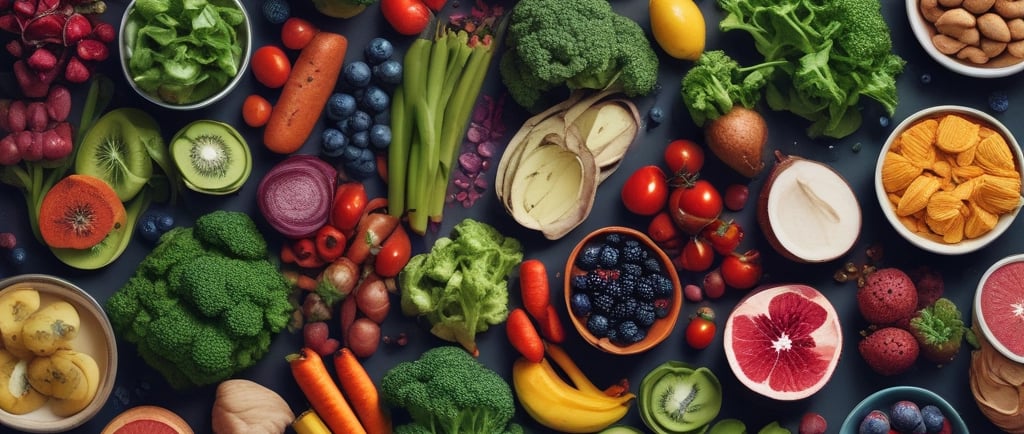
Fruits and vegetables, particularly when colorful and diverse, provide essential vitamins, minerals, and antioxidants. Aim for a "rainbow diet" by incorporating various types into every meal. Selecting seasonal produce ensures peak flavor and nutrient density. Fresh fruits and vegetables should be stored in their original packaging or a breathable container to prevent spoilage and nutrient loss.
By understanding how to select, store, and prepare these wholesome ingredients, one can fully harness their health benefits and create nourishing meals that fuel the body and support overall well-being. This knowledge serves as a vital foundation for the delicious plant-based recipes that follow.
Delicious Plant-Based Recipes for Every Meal
Incorporating plant-based recipes into your daily meals offers a delightful way to nourish the body with wholesome ingredients. Each recipe included below is crafted to highlight the natural flavors and health benefits found in plants, ensuring that every bite is both satisfying and nutritious.
Breakfast: Banana Oatmeal Pancakes
Start your day with these fluffy banana oatmeal pancakes. Made with whole ingredients, they are easy to whip up and are naturally sweetened with ripe bananas.
- Ingredients: 1 cup of oats, 1 ripe banana, 1 cup of almond milk, 1 teaspoon of baking powder, and a pinch of salt.
Instructions:
- Blend the oats until they resemble flour.
- In a bowl, mix the oat flour, baking powder, and salt.
- In another bowl, mash the banana and mix in the almond milk.
- Combine both mixtures and stir until smooth.
- Heat a non-stick skillet, pour in a ladle of batter, and cook until bubbles form, then flip and cook until golden.
These pancakes offer great opportunities for customization; feel free to add cinnamon, nuts, or chocolate chips to enhance the flavor.
Lunch: Quinoa Salad with Chickpeas
This refreshing quinoa salad is packed with protein-rich chickpeas and colorful veggies, making it a perfect midday meal.
- Ingredients: 1 cup of cooked quinoa, 1 can of chickpeas (rinsed), 1 diced cucumber, 1 bell pepper, ¼ cup of parsley, and lemon vinaigrette.
Instructions:
- In a large bowl, combine the cooked quinoa, chickpeas, cucumber, bell pepper, and parsley.
- Drizzle with lemon vinaigrette and toss well.
- Let it chill for 15 minutes to allow flavors to meld.
This versatile salad can be modified by swapping out vegetables or adding avocado and nuts for extra richness.
Dinner: Lentil Vegetable Stew
A hearty lentil vegetable stew is perfect for dinner, providing warmth and nourishment during cooler evenings.
- Ingredients: 1 cup of lentils, 2 carrots, 2 celery stalks, 1 onion, 3 garlic cloves, diced tomatoes, vegetable broth, and spices such as cumin and thyme.
Instructions:
- Sauté onion, garlic, carrots, and celery in a pot until softened.
- Add lentils, diced tomatoes, and broth, then season with spices.
- Simmer for about 30 minutes, or until lentils are tender.
This stew is easily adaptable; you can include your favorite seasonal vegetables or adjust the spices for added depth.
Snacks: Hummus with Veggie Sticks
For a healthy snack, prepare a simple hummus served with an array of colorful vegetable sticks.
- Ingredients: 1 can of chickpeas, 2 tablespoons of tahini, 2 tablespoons of olive oil, garlic, lemon juice, and assorted vegetables.
Instructions:
- Blend the chickpeas, tahini, olive oil, garlic, and lemon juice until smooth.
- Serve with carrot, cucumber, and bell pepper sticks for dipping.
This snack not only provides essential nutrients but can also be spiced up by adding roasted red peppers or herbs for variety.
With these plant-based recipes for breakfast, lunch, dinner, and snacks, you can effortlessly create nourishing meals that celebrate the rich variety of plant foods, ensuring a wholesome diet that is both enjoyable and fulfilling.
Embracing a Plant-Based Lifestyle: Tips and Tricks
Transitioning to a plant-based diet can seem daunting, but with the right strategies, the process can be both enjoyable and fulfilling. One of the most effective ways to embrace a plant-powered lifestyle is through meal planning. By dedicating time each week to outline meals, you will not only simplify grocery shopping but also ensure nutritional balance. Start by selecting diverse recipes that incorporate a variety of fruits, vegetables, whole grains, legumes, nuts, and seeds. This diversity not only enhances nutrition but also keeps meals exciting and satisfying.
When grocery shopping, make a list based on your meal plan to avoid impulse buys and ensure you have all essentials on hand. Opt for seasonal produce when possible, as it tends to be fresher and more flavorful. In addition to stocking up on fresh ingredients, keep staples like brown rice, quinoa, canned beans, and various spices in your pantry. These items can act as fundamental components in multiple recipes, providing both versatility and ease of cooking.
For common ingredients that may not align with a plant-based diet such as dairy or meat, consider simple substitutions. For instance, use almond milk or oat milk in place of cow's milk, and explore tempeh or tofu as protein sources instead of chicken or beef. Furthermore, the significance of community support cannot be overlooked; joining local plant-based groups or cooking classes can enhance the experience. Cooking together with others not only fosters camaraderie but also provides an opportunity to share techniques and learn from each other’s experiences.
Additionally, exploring diverse cuisines can significantly enrich your plant-based journey. Many cultures celebrate plant-based cooking, offering unique flavors and innovative dishes that can inspire creativity in the kitchen. Keep an open mind, experiment with new ingredients, and most importantly, enjoy the process of nourishing your body with wholesome meals.